
What is diabetic retinopathy?
Diabetic retinopathy is damage to the retina’s blood vessels caused by diabetes, which can lead to bleeding, swelling, and, if untreated, sight loss. Over time, raised blood sugar weakens the tiny vessels that supply the retina, so they can leak, become blocked, or trigger the growth of fragile new vessels that bleed easily.
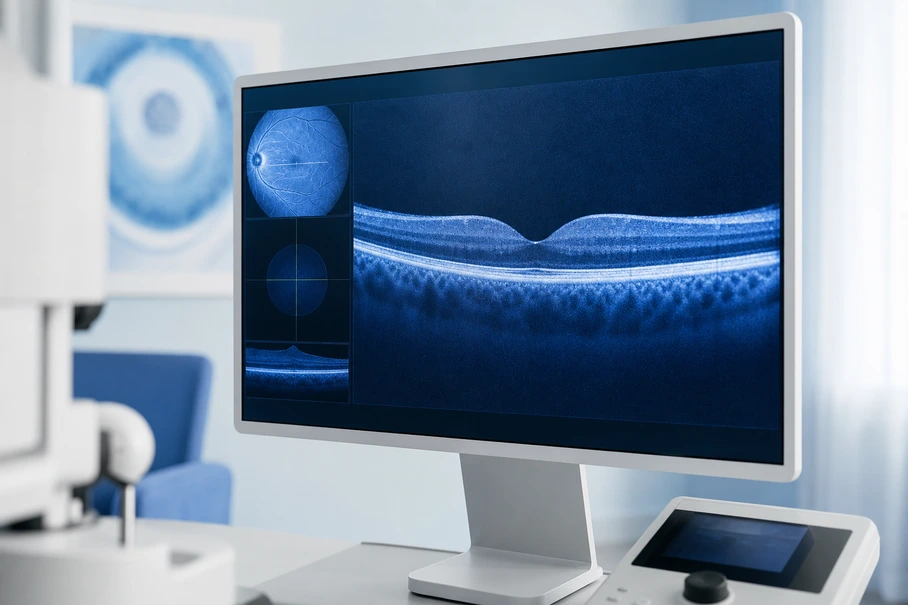
The condition usually develops gradually and often has no symptoms in its early stages, which is why regular eye checks are so important for anyone with diabetes. As it progresses, it can cause swelling at the centre of the retina, called diabetic macular oedema, which blurs central vision, and in more advanced stages, it can lead to bleeding inside the eye or scarring that threatens sight more seriously. Because the early stages are silent, damage can build up before it is noticed, so detecting and treating diabetic retinopathy at the right time is key to protecting vision. Good control of blood sugar, blood pressure, and cholesterol also plays an important part in slowing the condition. Your consultant will assess the stage of your retinopathy using detailed scans and imaging and explain what it means for your sight.
What diabetic retinopathy treatment involves
Mr Paritosh Shah treats diabetic retinopathy with retinal laser, anti-VEGF injections or surgery, depending on the stage and type of disease. For swelling at the centre of the retina, anti-VEGF injections are often used to reduce the leakage and protect central vision. For more advanced disease with abnormal new vessels, retinal laser can be used to stabilise the retina and reduce the risk of bleeding, and in some cases, where there has been significant bleeding or scarring, vitrectomy surgery may be needed.
Care is tailored to your eyes and coordinated with your diabetes management because controlling the underlying diabetes is an essential part of protecting your sight. Treatment is guided by scans and examination, which show how the retina is responding and help decide the right approach and timing. Because Mr Shah offers the full range of treatments, from monitoring through injections and laser to surgery, your care can adapt as your condition changes, all under the same consultant. You will be reviewed regularly so that any progression is caught early, and your consultant will work with you to keep your vision as safe as possible over the long term.
What to expect on the day of your treatment
- Dilating eye drops to examine the retina thoroughly
- Detailed retinal scans and imaging
- A clear explanation of the stage and options
- Laser or injection treatment if needed
- A monitoring plan to protect your sight
Diabetic retinopathy treatment benefits and considerations
Timely treatment can prevent or slow sight loss from diabetic retinopathy, and for many people, it protects vision that would otherwise be at risk. Because effective treatments exist for each stage of the condition, acting at the right time gives the best chance of keeping your sight, which is why regular checks and prompt care are so valuable.
Good diabetes control remains essential alongside any eye treatment, and your consultant will emphasise how managing blood sugar, blood pressure, and cholesterol supports your vision. It is also important to understand that some damage cannot be reversed, particularly if the condition is advanced, so the aim of treatment is often to stabilise the retina and prevent further loss rather than to restore vision that has already gone. Laser and injections each carry their own small risks, which your consultant will explain, and treatment is usually ongoing, with regular monitoring to guide it. Outcomes cannot be guaranteed, but with timely, specialist care, most people with diabetes can protect their sight. If you have diabetes and have not had a recent specialist review, or if your vision has changed, an assessment in Yeovil is strongly encouraged.

Mr Paritosh Shah
Consultant Ophthalmologist
Quick facts
Type
Retinal condition
Treatment
Laser / injections
Stay
Outpatient
Care
Ongoing